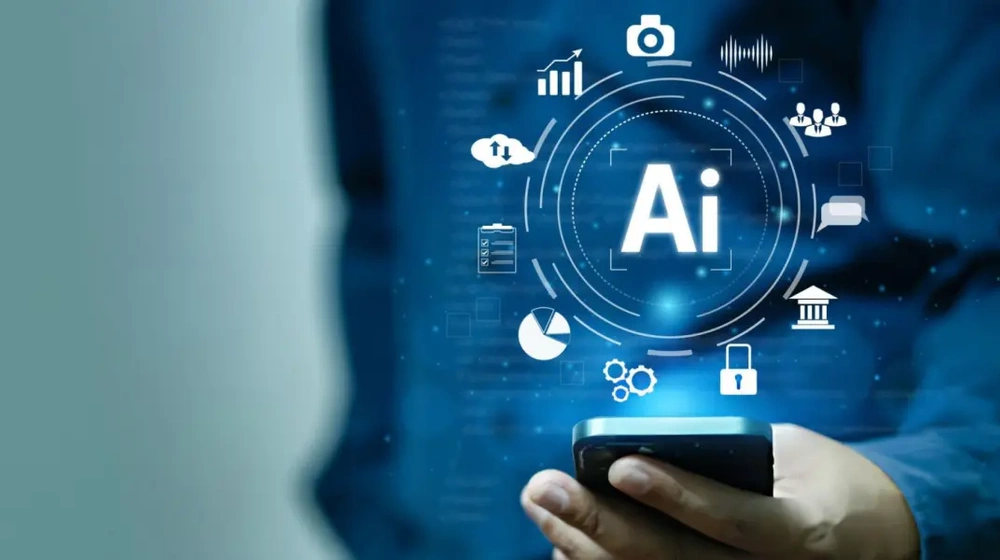
Artificial Intelligence (AI) and Machine Learning (ML) are driving transformative advancements in software development. AI algorithms empower systems to learn from data, recognize patterns, and make intelligent decisions without explicit programming. ML techniques enable predictive analytics, natural language processing, and computer vision applications, revolutionizing industries like healthcare, finance, and retail. As AI/ML adoption accelerates, developers are leveraging these technologies to create innovative solutions that enhance efficiency, productivity, and user experiences across diverse domains

Artificial intelligence is transforming healthcare by augmenting human capabilities in disease detection and treatment planning. Deep learning models trained on millions of medical images can now identify malignancies in X-rays and MRIs with greater accuracy than junior radiologists. For instance, Google Health’s AI system detects breast cancer in mammograms with 11.5% greater accuracy than human experts while reducing false positives by 5.7%. Beyond imaging, natural language processing helps parse clinical notes to identify at-risk patients – Epic’s AI predicts sepsis 12 hours before clinical symptoms manifest.

The implementation of GDPR in 2018 marked a watershed moment for data privacy, triggering a global wave of similar legislation. California’s CCPA, Brazil’s LGPD, and China’s PIPL have all established strict requirements for data collection, processing, and storage. These regulations carry severe penalties – British Airways faced a £20 million fine for a data breach affecting 400,000 customers, while WhatsApp was fined €225 million for GDPR transparency violations. Organizations must now implement Privacy by Design principles, conducting Data Protection Impact Assessments (DPIAs) before launching new products or services.
Edge computing represents a paradigm shift in artificial intelligence deployment, moving processing from centralized clouds to distributed devices. This approach solves critical latency and bandwidth problems for real-time applications. NVIDIA’s Jetson edge AI modules power autonomous mobile robots in warehouses that must make split-second navigation decisions without waiting for cloud responses. Similarly, John Deere’s farm equipment uses on-device AI to identify weeds and precisely spray herbicide in milliseconds – a task impossible with cloud-dependent systems.
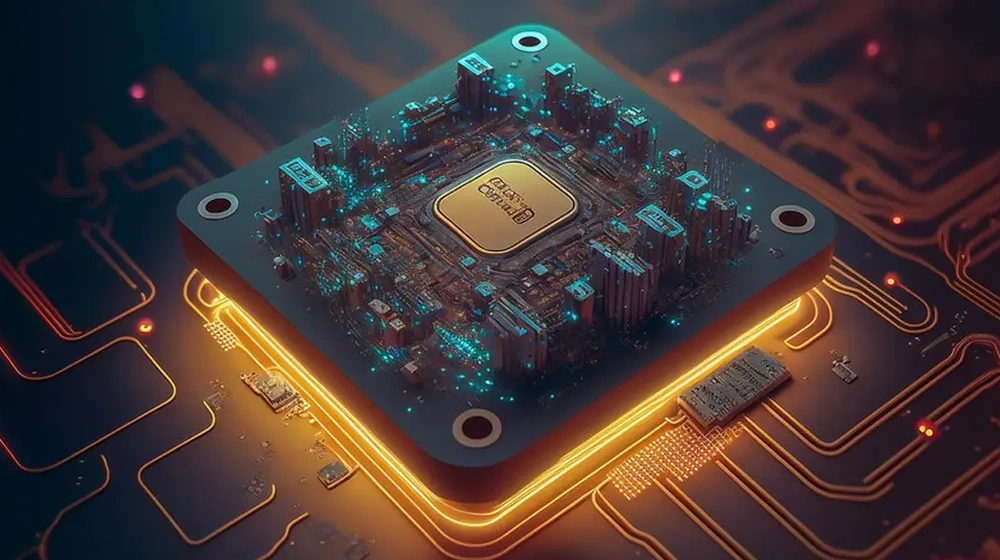
Quantum computing represents a fundamental shift in computational paradigms, leveraging quantum mechanical phenomena to solve problems intractable for classical computers. While still in early stages, quantum technologies are advancing rapidly, with significant implications for cryptography, optimization, materials science, and artificial intelligence. Organizations need to understand both the potential and limitations of quantum computing to prepare for this emerging technology landscape.

In 2026, China’s IT system integration industry is entering a new stage of simultaneous growth in scale and quality, driven by the full advancement of digital transformation and continuous breakthroughs in technological innovation. The latest market research data shows that the overall industry scale has reached 1.2 trillion RMB, a 15% increase from 2021. Segmented markets are witnessing differentiated growth, technological development is evolving toward intelligent integration, and the market competition pattern is undergoing in-depth restructuring, propelling the industry toward greater professionalism, efficiency and security.
Contact Us
Products
Ready To Get Started for Your Business?
No need to wait, just tell us what you need today to make your idea become real.
You can get a price or send us any questions to get any information you would like to know, and we will reply to you as soon as possible.